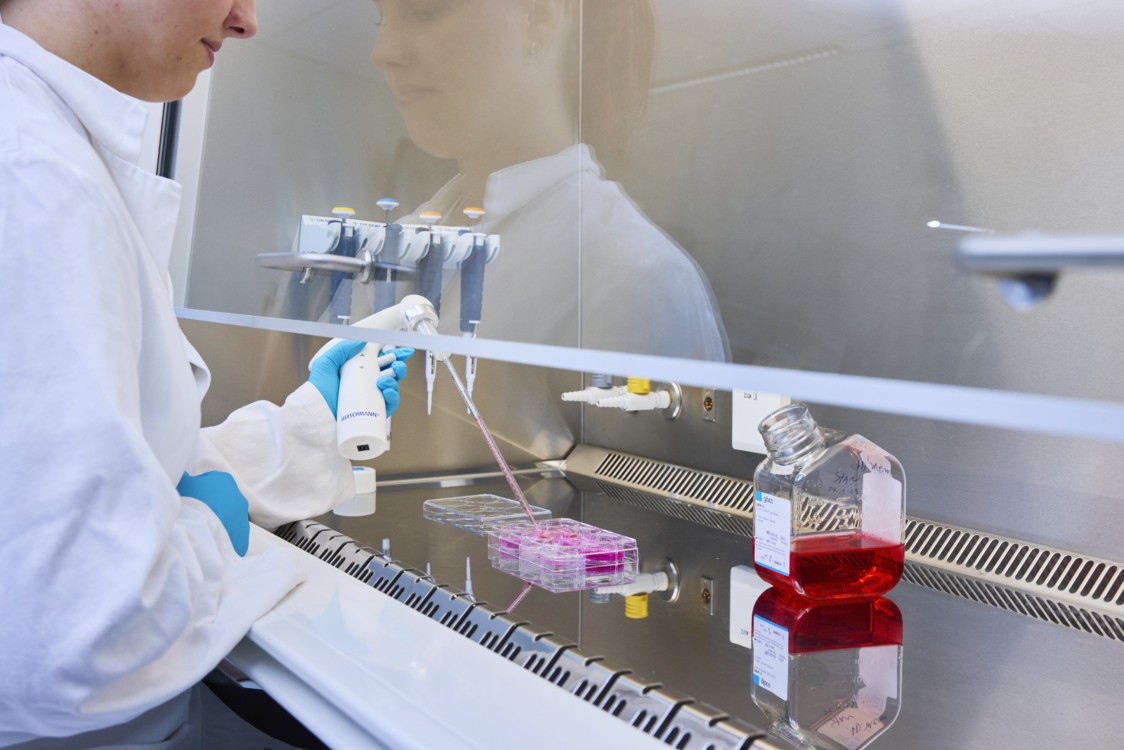
Description
This 2-day course is organized in close collaboration with Ombion, the Dutch centre for human based testing strategies. It is lor students, researchers, and professionals who want to reduce hidden animal suffering and contribute to a cultural shift in biomedical science. By joining, you’ll gain practical skills, broaden your career opportunities, and help shape the future of international collaboration in education and research.
Target audience
This course is designed for BSc and MSc students, PhD candidates, postdoctoral researchers, and laboratory technicians who work with cell culture and wish to transition away from animal‑derived materials toward fully defined, ethically responsible, animal‑free research systems. It is particularly suited for researchers involved in organoid culture, 3D models, microphysiological systems, or advanced in vitro technologies, as well as those seeking to improve the reproducibility and translational relevance of their work.
Participants who are exploring alternatives to fetal bovine serum, animal‑derived supplements, or traditional in vivo‑dependent workflows will benefit from the scientific, practical, and regulatory insights offered throughout the programme. The course also welcomes individuals interested in AI‑supported data analysis, FAIR data practices, and modern approaches to human‑relevant model development.
Whether you are early in your training or already experienced in cell‑based research, this course provides the knowledge, tools, and expert guidance needed to design and implement animal‑free experimental strategies in your own research environment.
Aim of the course
The aim of this two‑day course is to equip emerging and established researchers with the scientific, practical, and regulatory foundations needed to transition from traditional animal‑derived research materials toward modern, human‑relevant in vitro systems. Through lectures from leading experts, participants gain insight into cutting‑edge developments such as organ‑on‑chip technology, advanced 3D and organoid models, microphysiological systems, and the evolving regulatory landscape that supports the adoption of Novel Approach Methods.
A central goal is to help participants critically evaluate their current use of animal‑derived components and identify viable, ethically responsible alternatives. By integrating case‑based learning, hands‑on demonstrations, and expert feedback, the course enables participants to design the first outline of an animal‑free experimental workflow tailored to their own research context.
The course also aims to strengthen participants’ ability to generate high‑quality, reproducible, and FAIR data by introducing accessible applications of AI and machine learning in cell‑based research. Ultimately, the programme supports researchers in developing the competencies needed to contribute to a future‑ready biomedical field grounded in ethical innovation, scientific rigor, and human‑relevant model systems.
Study load
Two full days
Costs
-
Course fee:
€500.00
-
-
Included:
Course fee
Tags